西安
Xi’an, China
The eastern end of the Silk Road and capital to thirteen dynasties. The Terracotta Army is the headline, the intact Ming city wall is what people remember, and the Muslim Quarter is where the city still eats.
A stop on the way to Beijing or Chengdu
Walkers, and anyone who wants one mountain
The imperial pairing, entirely by rail
These are shapes we build regularly, not fixed departures. Move a day, drop a city, add a night — the route is rewritten around your dates, and quoted in writing before anything is booked.
Three pits under cover, with Pit 1 the size of an aircraft hangar and still only partly excavated. Go at opening, take the guide, and give it three hours including the transfer — there is nothing else out there.
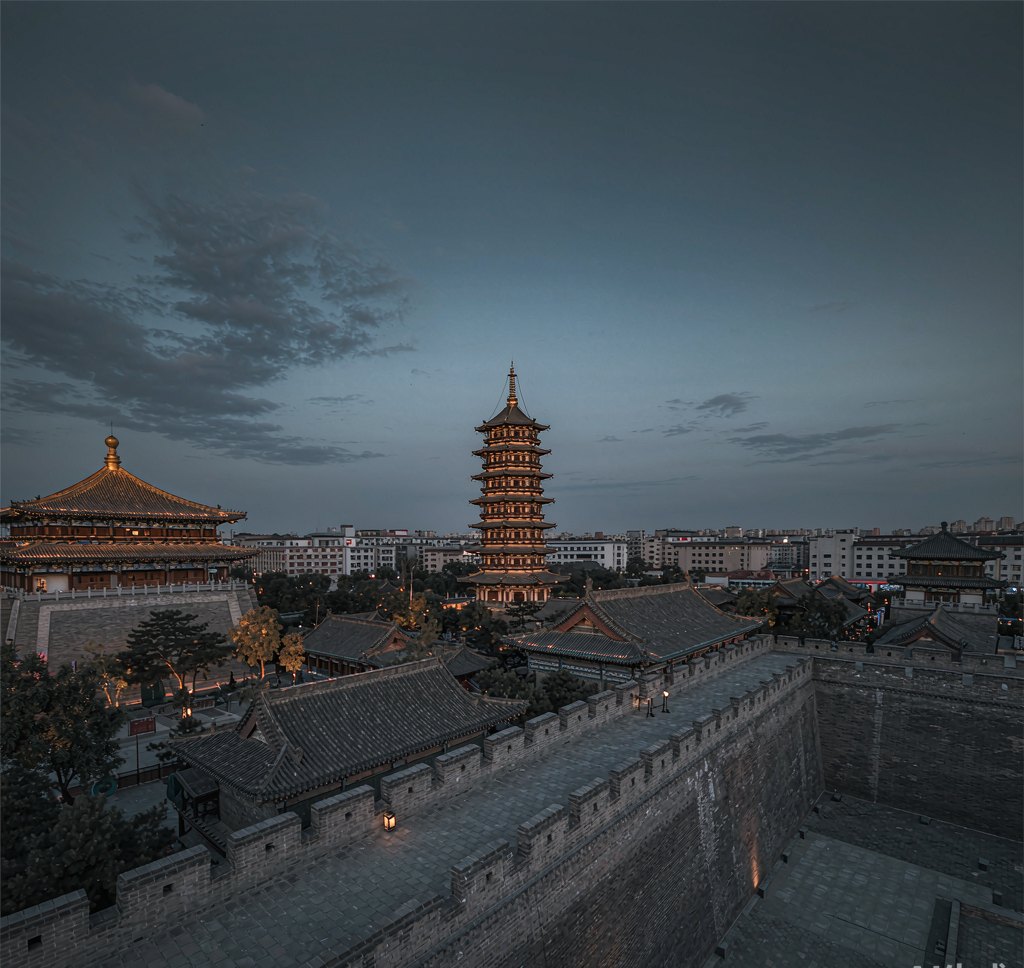
13.7 km of intact rampart around the old city, wide enough to cycle two abreast. Bikes are rented on top at several gates; the full loop takes about 90 minutes at an unhurried pace.
Beiyuanmen and the lanes behind it, running north from the Drum Tower. It is a snack street with a real community behind it: the Great Mosque at the far end is a Chinese courtyard building with an Islamic function, which is the point.
The collection that explains the dynasty sequence better than any other in the country, and free with a timed reservation that goes quickly. The Tang murals in the separate gallery are worth the extra ticket.
A Tang-dynasty brick pagoda built to house sutras brought back from India, in a compound that has become a night-time square with fountains. The pagoda is the sight; the square is the evening.
One of China’s five sacred mountains, 120 km east and a full day: cable car up the north peak, plank walks for those who want them, and a ridge that is genuinely exposed.
Terracotta Army tickets are real-name against your passport and sell out in peak season. The Shaanxi History Museum is free but timed, and the free slots go days ahead.
Spring brings dust and occasional sandstorms; July and August are dry and over 35°C by midday. Late September to early November is the reliable window.
Roujiamo, biangbiang noodles and yangrou paomo are the three to try, and the Muslim Quarter is the place for all of them after six in the evening.
Send your dates and we will come back with a route, named hotels and a written price.