Three days: Chaozhou and Shantou
3 days · 2 nights
A first pass, one night in each city
- Day 1Chaozhou: Paifang Street, the side lanes, Guangji Bridge at dusk when the boats are still joined.
- Day 2Tea and woodcarving in the morning, then the road to Shantou for the arcaded old town in the afternoon.
- Day 3Queshi headland in the morning, beef hotpot before the airport.
Four days: add Nan’ao Island
4 days · 3 nights
Anyone travelling between April and November
- Day 1–2Chaozhou, as above.
- Day 3Shantou old town, then across the bridge to Nan’ao for the night — beaches, fishing villages and seafood.
- Day 4Back to Shantou for lunch and out from SWA.
Five days: the food trip
5 days · 4 nights
The reason most people come, taken seriously
- Day 1Shantou: night market and seafood, late.
- Day 2Yum cha, then the old town on foot; beef hotpot for dinner.
- Day 3Chaozhou: morning market, tea, Guangji Bridge.
- Day 4A cooking session in the morning, the tea hills or the coast in the afternoon.
- Day 5One last breakfast, then out.
These are shapes we build regularly, not fixed departures. Move a day, drop a city, add a night — the route is rewritten around your dates, and quoted in writing before anything is booked.
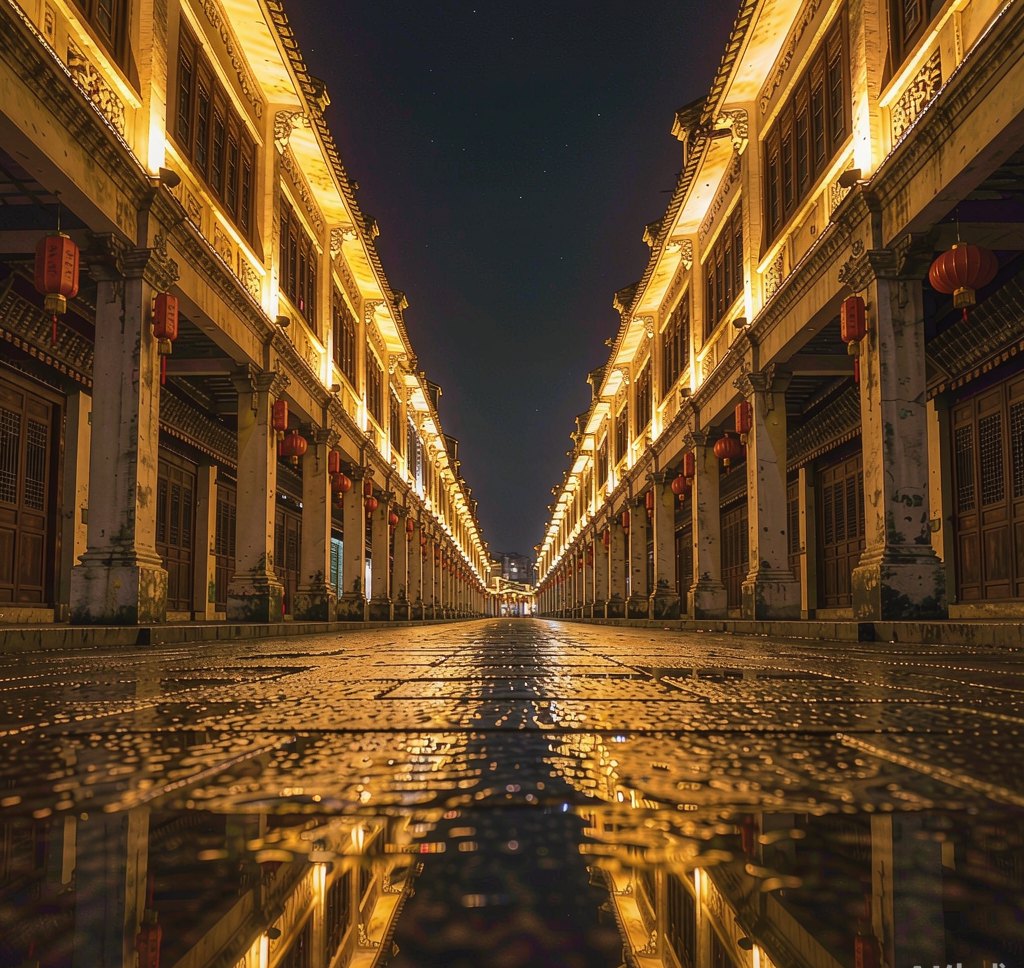
Chaozhou old townA walled grid of lanes on the west bank of the Han River, with Ming and Qing houses, ancestral halls and workshops still in use. Paifang Street runs through the middle under a run of stone arches, and the side lanes are where the woodcarvers and tea shops actually are. Kaiyuan Temple, founded in 738 and still the largest Buddhist compound in eastern Guangdong, sits inside the grid.
Han Wengong Shrine (韩文公祠)Han Yu was posted here as prefect in 819 and lasted eight months — long enough that the river and the hill behind the city were both renamed after him. The shrine climbs the east bank of the Han, with steles up the terraces and, from the top pavilion, a view back across to Guangji Bridge. Half an hour here explains the old town better than any single building inside it.
Guangji Bridge (广济桥)A 518 m bridge across the Han River, part stone pier and part pontoon: eighteen boats link the two halves and are pulled apart twice a day to let river traffic through. It has been rebuilt many times since the Song, and it is the one thing in the old town you should see at both ends of the day.
Gongfu tea, poured properlyPhoenix dancong oolong from the hills north of the city, three cups, a kettle that never comes off the boil. In Chaozhou this is not a ceremony staged for visitors — it is what happens in every shop between customers, and shopkeepers will pour for you unprompted.
Shantou’s arcaded old townThe 1920s and 1930s shophouse quarter around Xiaogongyuan: colonnades, faded signage, and families still living above the shops. It is unrestored in the way that matters, and being repaired building by building.
Nan’ao Island (南澳岛)An 11 km bridge out of Shantou, then a road that takes a couple of hours to drive end to end. Qing’ao is the swimming bay at the eastern end; the lighthouse at Changshanwei and the Tropic of Cancer marker are the two stops on the way. There are also Song wells and a Qing garrison fort that most day-trippers skip. Worth a night, not a day trip.
Queshi and the coastA granite headland on the south side of Shantou with a temple, sea stacks and a walk along the water. Half a day, and the best place to see why this coast was a trading one long before the treaty ports.
Beef hotpotThe dish the region is judged by: a clear broth, cuts named by muscle and timed in seconds rather than minutes. The good shops break down a whole animal in the morning and close when the cuts run out.
Eat on the local clockYum cha in the morning, beef hotpot from six in the evening, seafood after nine. The best hotpot shops open at five and sell out of the good cuts within two hours.
Tea etiquetteThree cups, poured in one continuous round, and never filled to the brim. Tapping two fingers on the table is thanks. Refusing the first cup is not a thing here.
Two islands, two provincesNan’ao is Guangdong and Dongshan is Fujian, with the provincial line running between them — which is why they get sold as a pair. Nan’ao is an hour from Shantou over the bridge; Dongshan is a two-hour drive north-east. Both are beach days rather than sightseeing days, and neither has much English signage.
Typhoon seasonJuly to September brings heat and the occasional typhoon, which can close the airport and the coastal bridge to Nan’ao. October to December is dry and around 20–25°C.